
Table of Contents
Understanding Peppercorns
When it comes to taking ordinary foods and turning them into extraordinary culinary experiences, there are few ingredients that have the same kind of power as peppercorns. This common spice has been a staple in kitchens for thousands of years, and many home cooks barely scratch the surface of what peppercorns have to offer.
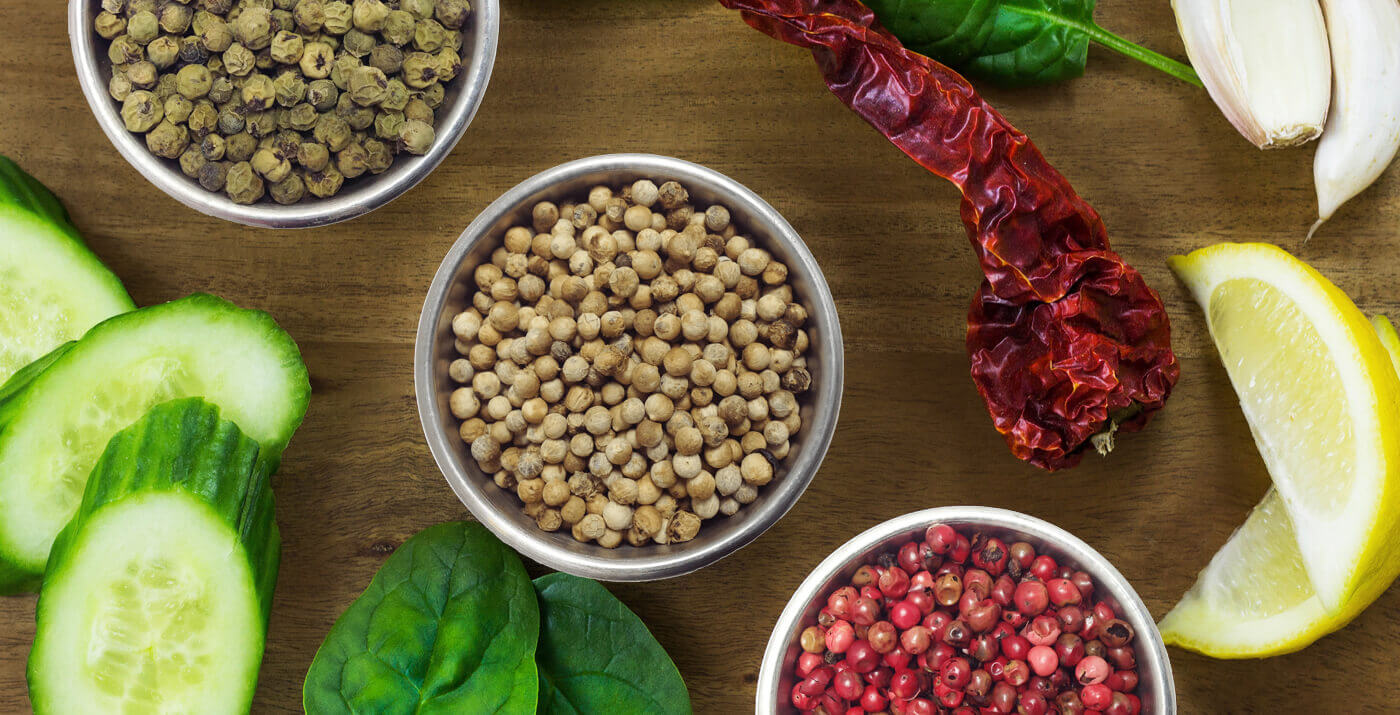
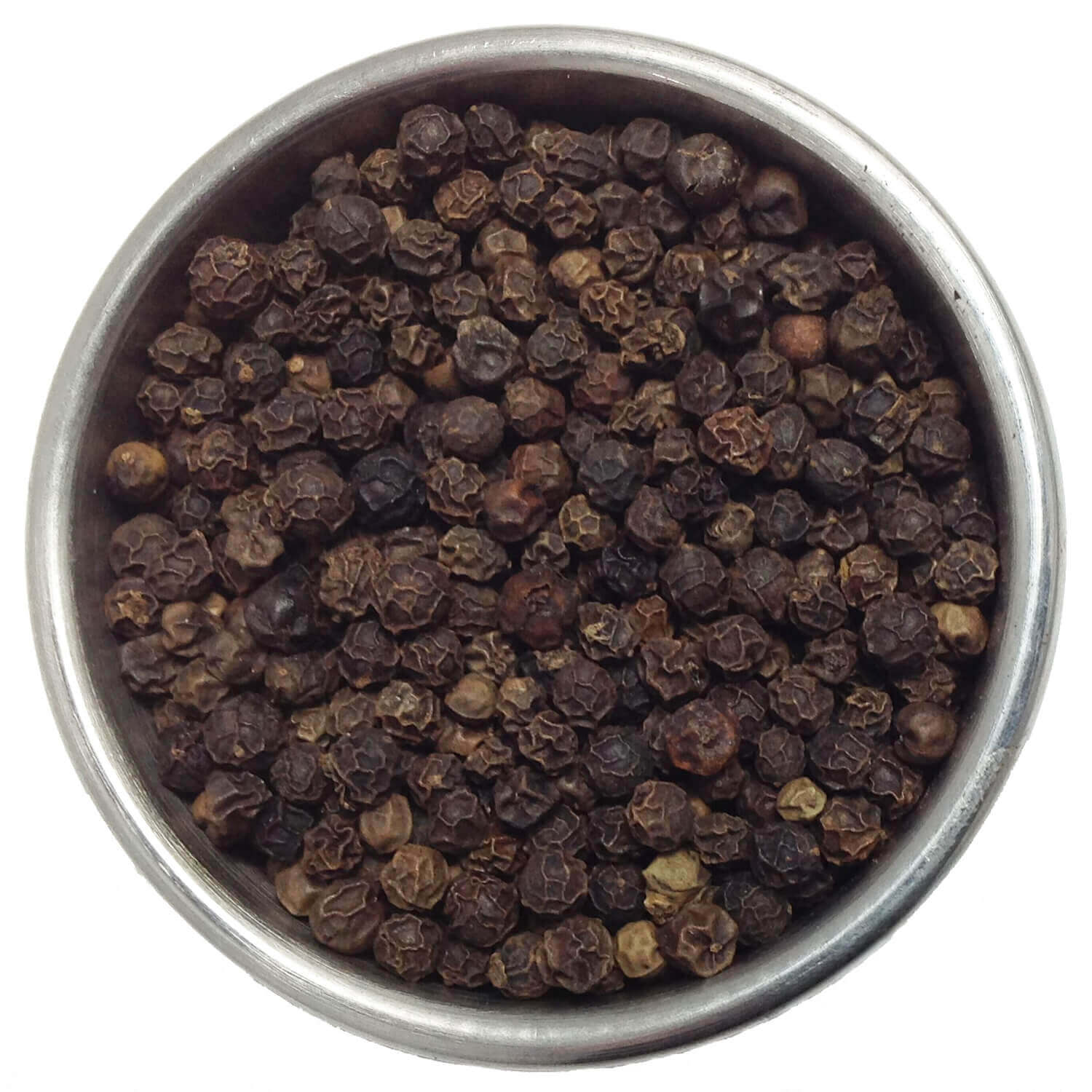
Peppercorns are actually the dried berries of a plant called Piper nigrum. They are originally from South India. The same plant yields different kinds of peppercorns based on when and how the berries are picked. Black peppercorns are picked when they are close to being ripe and then dried up when they turn dark and wrinkled. White peppercorns are obtained from fully ripe berries whose outer covering has been removed.
Why Whole Peppercorns Make All the Difference
If you’re still reaching for pre-ground pepper, you’re not taking advantage of one of the simplest ways to improve your cooking. Peppercorns will retain the oils and aromas of the pepper for a much longer period of time compared to ground pepper, which will start losing its strength immediately after it’s ground.
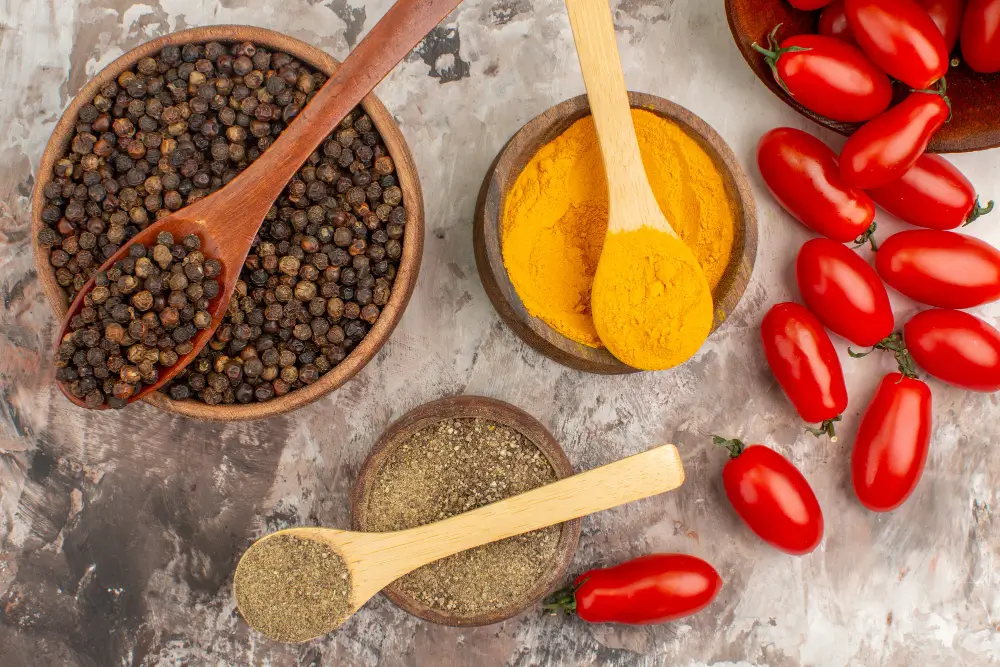
There is nothing like grinding whole peppercorns for a fresh, tangible difference. It is easier to detect the aroma, the taste, and the heat. Whether adding it to scrambled eggs or using it on a steak, ground whole peppercorns have a fresh quality that is not possible with pre-ground peppercorns.
Whole peppercorns are also extremely versatile. You can add them to pickling liquids, simmer them with stocks, or toast them and crush them to bring out more flavors. They are a must-have when it comes to making peppercorn sauces, marinades, or spice rubs.
Smoked Peppercorns can be
For those seeking to incorporate a surprising element, smoked peppercorns provide a deep and earthy flavor with hints of campfire and barbecue. Specialty peppercorns are perfect in recipes when you desire a grilled flavor without the need to actually grill the food.
Use smoked peppercorns in burgers, BBQ spice, or smoked pepper butter for veggies. The smoky flavor works beautifully with grilled meats, roasted veggies, and bean dishes. Grind them coarsely to make a crust for your steak and salmon, or mix them with other spices for dry-aged meats.
Discovering Exotic Peppercorns
Apart from the black and white varieties, exotic peppercorns bring about a spectrum of flavors. Pink peppercorns provide a sweet, fruity, and slightly hot taste, ideal for fish, salads, and even desserts. Sichuan peppercorns provide a distinct numb feeling accompanied by a hint of citrus, a crucial flavor in Chinese dishes.
The flavor of long pepper is complex, with a sweet start and a warm finish. It is sublime in braises or paired with chocolate. Green peppercorns in brine are snappy, green, and fragrant. They are sublime in cream sauces, especially in steak au poivre.
Storage and Usage Tips
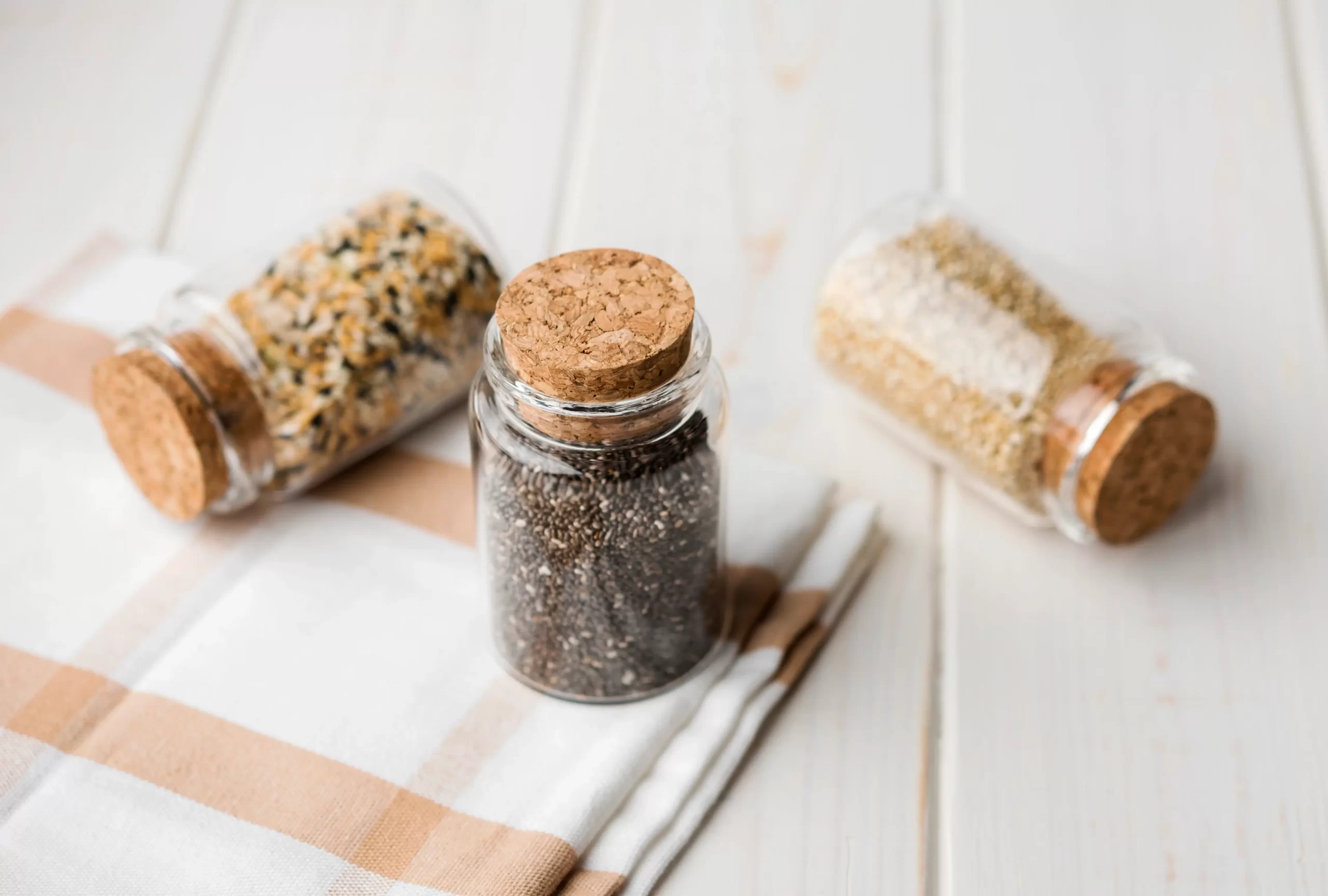
Store the peppercorns in an airtight container, away from heat, light, and moisture. Whole peppercorns can last for several years, whereas ground pepper should be used within a few months.
Whole peppercorns can be added to broths and braises towards the beginning to gradually infuse the flavors. However, for fresh and ground pepper, it is ideal to add it towards the end of cooking to retain its aromatics.
Conclusion
Whether you are working with traditional whole peppercorns, playing around with smoked peppercorns, and eventually branching out into exotic ones, it is essential that you understand these berries of flavor. Begin with fresh whole peppercorns and eventually work your way up to exotic ones.
Frequently Asked Questions
Peppercorns are the dried berries of the Piper nigrum vine and are one of the most widely used spices in the world. They originate from tropical regions such as India, Vietnam, and Indonesia.
The main types of peppercorns include black, white, green, and red peppercorns, all derived from the same plant but processed differently.
Black peppercorns have a bold, pungent flavour with woody and spicy notes, while white peppercorns are milder, earthier, and slightly fermented in taste.
Yes, peppercorns contain piperine, a natural compound known for its antioxidant and digestive benefits. Peppercorns have been traditionally used to support digestion and nutrient absorption.
To maintain freshness and flavour, peppercorns should be stored whole in an airtight container away from heat, light, and moisture. Grinding peppercorns just before use preserves their aroma.
Our collection includes a wide range of peppercorn varieties suitable for home cooks, chefs, and gourmet kitchens.