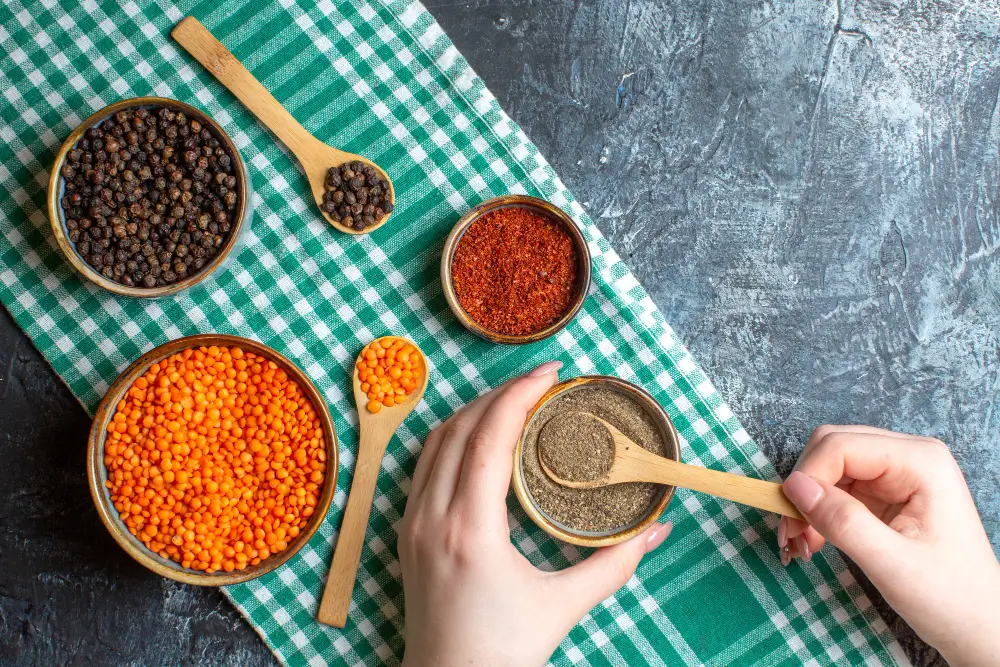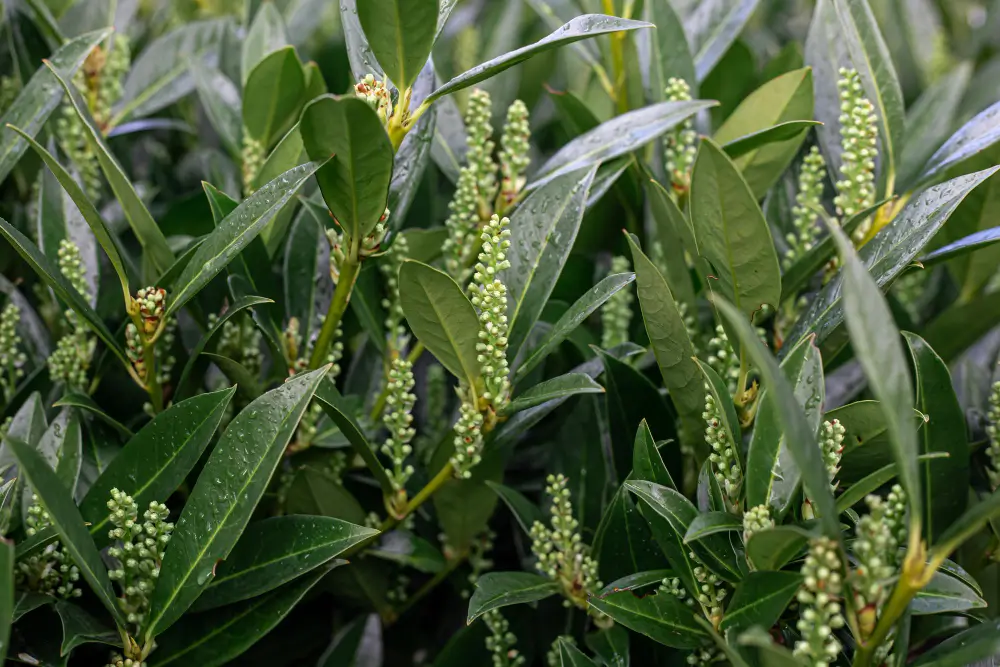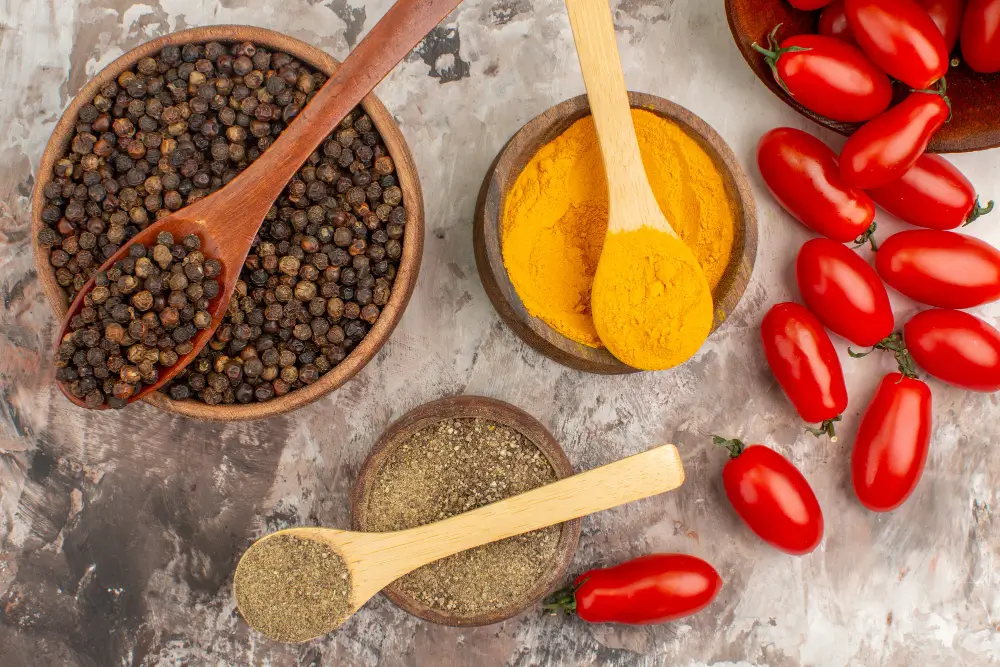

Pepper is one of the most widely used spices in the world, yet many home cooks still underestimate its full potential. Beyond basic table pepper lies a diverse and exciting world of pepper seasonings—each offering unique aromas, heat levels, and flavour complexity. When used thoughtfully, pepper seasonings can elevate simple dishes into memorable meals.
In this guide, we’ll explore what makes pepper seasonings special, the different varieties available, and how to use them to enhance your cooking.
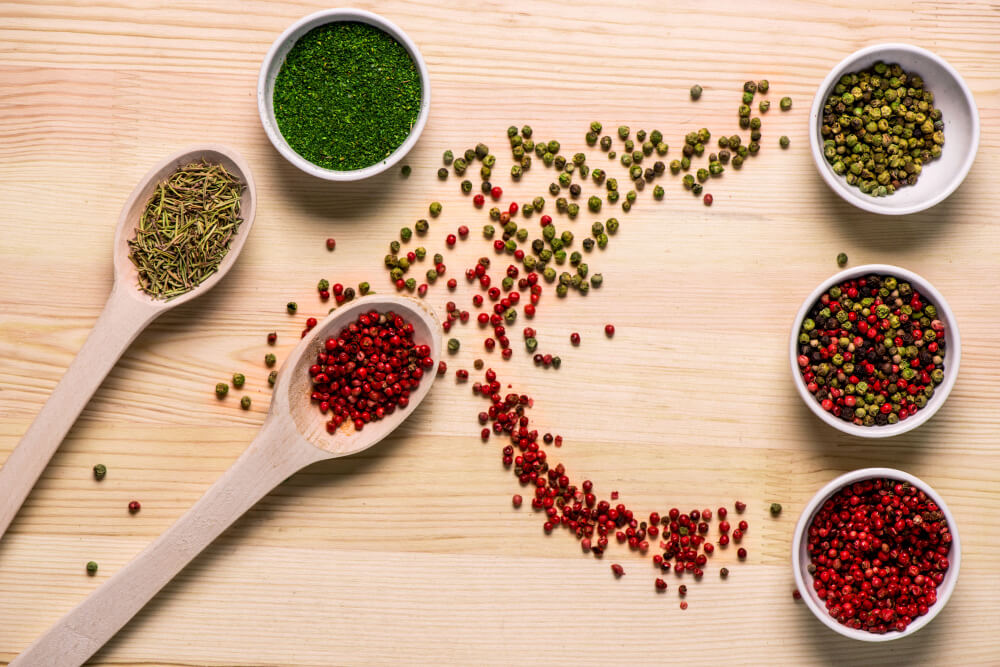
Table of Contents
What Are Pepper Seasonings?
Pepper seasonings are blends or single-origin peppers used to add heat, depth, and aroma to food. Unlike generic ground pepper, quality pepper seasonings are made from carefully sourced peppercorns that retain their essential oils, resulting in richer flavour and aroma.
From mild and citrusy to bold and fiery, pepper seasonings can be tailored to suit nearly every cuisine and cooking style.
Popular Types of Pepper Used in Seasonings
Each pepper variety brings its own personality to a dish. Understanding these differences helps you choose the right seasoning for the right recipe.
Black Pepper
The most familiar of all peppers, black pepper delivers a sharp, robust heat with earthy undertones. It’s ideal for savoury dishes, grilled meats, soups, and marinades.
White Pepper
White pepper has a softer heat and slightly fermented aroma. It’s often used in light-coloured dishes like mashed potatoes, creamy sauces, and Asian cuisine where appearance matters.
Green Pepper
Fresh and mildly spicy, green pepper offers a bright, herbal flavour. It works beautifully in sauces, seafood dishes, and French-style cooking.
Pink Peppercorns
Technically not true pepper, pink peppercorns are sweet, aromatic, and gently spicy. They add visual appeal and a subtle fruity note to salads, seafood, and desserts.
Native and Specialty Peppers
Native and regional pepper varieties bring distinctive flavours shaped by climate and soil. These pepper seasonings are ideal for cooks looking to experiment with bold, unique tastes.
How to Use Pepper Seasonings in Cooking
Pepper seasonings are incredibly versatile and can be used at different stages of cooking for varied effects.
Before Cooking
Adding pepper early allows its flavor to mix into meats, vegetables, and sauces. This works well for slow-cooked dishes, stews, and marinades.
During Cooking
Seasoning while cooking helps build flavor gradually. Taste as you go to avoid overpowering the dish.
After Cooking
A final touch of freshly ground pepper adds aroma and brightness just before serving, especially for steaks, pasta, eggs, and salads.
Pairing Pepper Seasonings with Food
Choosing the right pepper seasoning can improve the natural flavors of your ingredients.
Meat & Poultry: Bold black pepper or mixed pepper seasonings add depth to beef, lamb, and chicken.
Seafood: Lighter peppers like white or pink peppercorns match delicate flavors.
Eggs & Breakfast: A simple grind of fresh pepper can transform eggs, avocado toast, and omelets.
Pepper Seasonings in Global Cuisine
Pepper has been important in global cooking for centuries. It appears in everything from European classics to Asian stir-fries and Middle Eastern spice blends. Today, chefs and home cooks are rediscovering pepper seasonings as a way to add depth without relying on heavy sauces or too much salt.
Final Thoughts
Pepper seasonings are much more than a finishing touch; they are a foundation of great flavor. By exploring different pepper varieties and using them carefully, you can turn everyday meals into something truly special.
Whether you’re cooking simple weeknight dinners or trying new recipes, high-quality pepper seasonings bring warmth, aroma, and character to every dish.
Frequently Asked Questions
Pepper seasonings are blends or crusts made from peppercorns (like cracked black pepper) often mixed with herbs, spices, citrus, or other flavourings to add more complexity to dishes compared to plain whole peppercorns.
Yes! Products such as Pepper Steak Seasoning aren’t just for steak — they work well on chicken, tofu, seafood or in batters for frying and grilling, giving great taste without artificial ingredients.
Most of the pepper seasonings available on Peppercorns.com.au are natural and free from artificial additives, focusing instead on high-quality peppercorns and complementary spices to bring out robust flavour.
There’s a range of options — from salt-free blends like Pennsylvania Pepper to citrus-accented ones like Traditional Lemon Pepper — giving you choices whether you want subtle savoury notes or zesty profiles in your cooking.
Consider the dish you’re making:
• For classic savoury meals, a blend like Pepper Steak Seasoning adds balanced spice.
• If you want citrus brightness on fish or chicken, Traditional Lemon Pepper adds that zest.
• For salt-free options that still pack flavor, try Pennsylvania Pepper.
Visit the Peppercorns blog for guides on peppercorn types, flavours and culinary uses, as well as product info and recipe inspiration to help you step up your seasoning game.